It's 2018, and whether you're car shopping or you just like shiny things, we've got you covered: It's our list of this year's automotive state-of-the-art.
You may have spotted some of these newbies on the road already, such as the Toyota C-HR and Volkswagen Atlas. Others, like the highly-anticipated Kia Stinger, were just unwrapped in December. Either way, keep in mind that new models are usually in high demand and low supply as they launch, so discounts may be harder to come by.
But it doesn't cost anything to look.
2018 Toyota CH-R
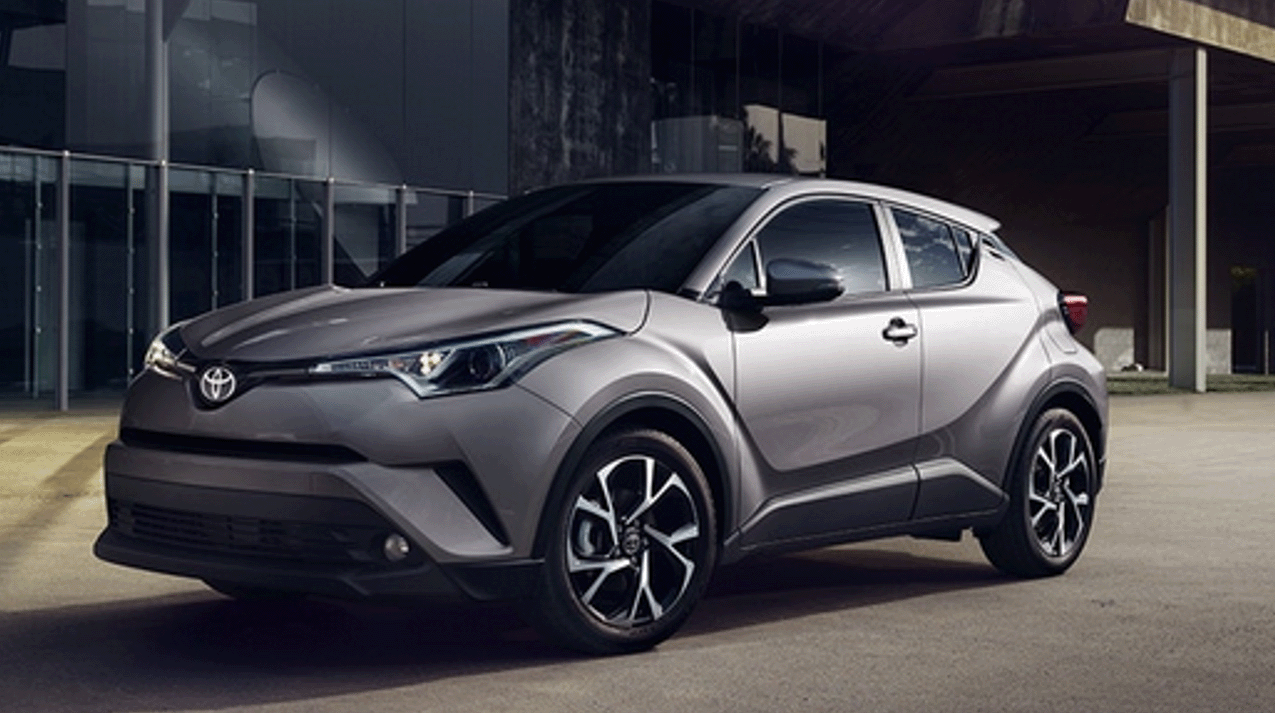
What it is: The C-HR is Toyota’s entry into the subcompact crossover market, a space occupied by the Nissan Juke and the Honda HR-V, among others. (A crossover is a small SUV built on a sedan’s frame, and a subcompact crossover is even smaller.) As with all crossovers, the CH-R is small, has just enough room for 5, and it’s great on gas.
When you can buy it: The C-HR is on sale now as a 2018 model, with a starting MSRP of $22,500.
Why it’s cool: Aimed at a younger audience, its unconventional styling makes it fun and a starting MSRP under $30,000 keeps it affordable. With a sport-tuned suspension and an excellent interior, C-HR drivers won’t have to feel like they’re driving something affordable.
2018 Toyota CH-R quick specs
2018 Mitsubishi Eclipse Cross
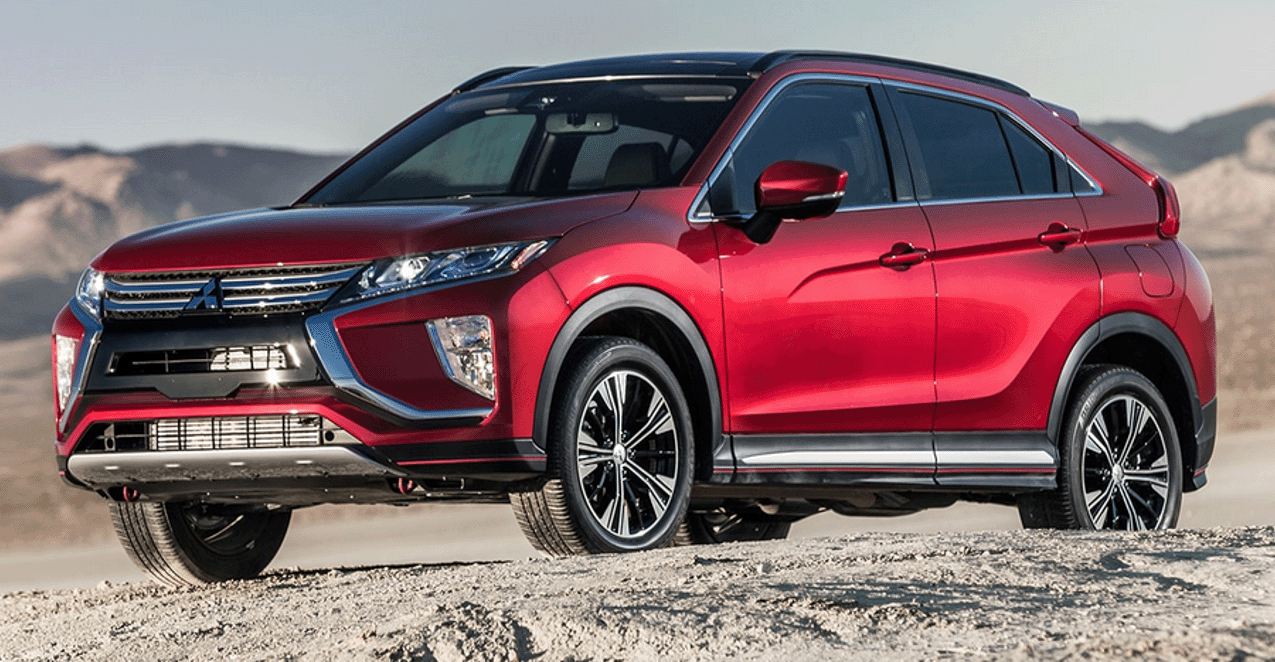
What it is: In 1989, Mitsubishi built a commuter sports coupé that was relatively inexpensive, easy to modify, and fun to drive. It was called the Eclipse, and sadly, Mitsubishi killed it in 2012. Now, the Japanese automaker has revived the Eclipse—as a crossover SUV.
When you can buy it: March 2018 is the target date for the Eclipse Cross to debut in the U.S., and the MSRP for its four trim-levels range from $23,295 to $30,395.
Why it’s cool: Mitsubishi has been mysterious about its revival of an iconic name for a completely different vehicle type. A few photos of the European model have surfaced, along with some vague details about some of its technology; LED headlights, a color heads-up display, and a high-res infotainment screen with a touchpad controller.
Quick specs:
2018 VW Atlas
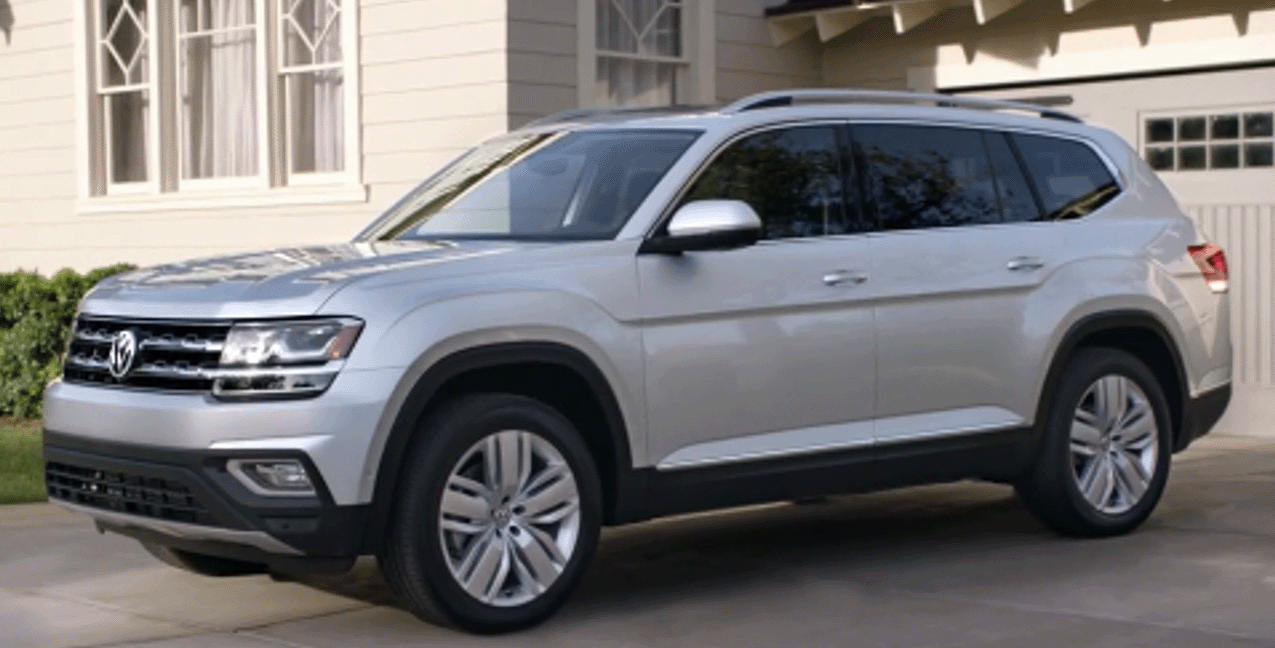
What it is: The Atlas is Volkswagen’s newest full-size SUV. With seating for 7 and impressive cargo space, it’s designed for hauling people and just about anything else. As VW emerges from its recent battle with the EPA, the company needs an SUV it can hang its hat on, and the Atlas might be it.
When you can buy it: The Atlas is on sale now with a starting MSRP of $30,500.
Why it’s cool: Families will love the Atlas. Third-row seats are standard, and it has room for 7 adults. Fold down the second and third rows, and you’ve got 96.8 cubic feet of cargo space. The Atlas even has available full-sized seats for the second-row, and a panoramic sunroof spanning the length of the roof. With a customizable gauge cluster and USB ports embedded throughout, the Atlas is tech-savvy, too. The best part is, the Atlas can move all these people while sipping gas—the base model gets 22 mpg in the city and 26 on the highway.
Quick specs:
2018 Kia Stinger
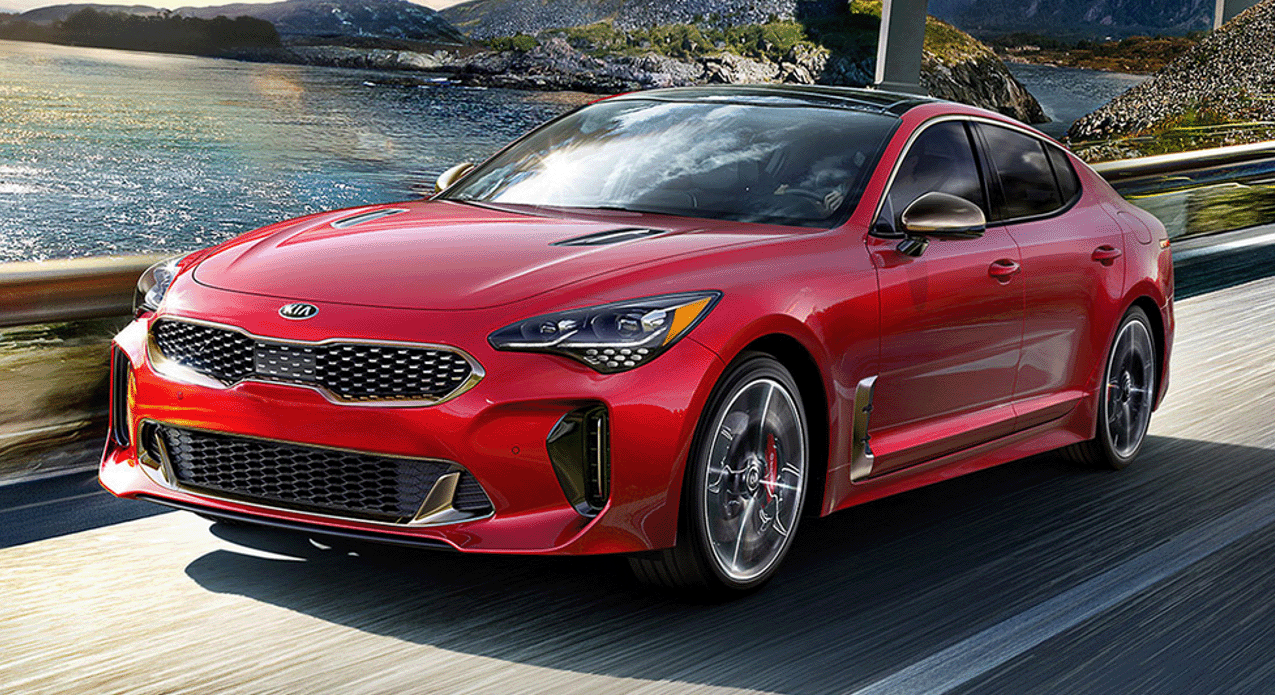
What it is: Sophisticated and athletic, the Stinger is probably the best-looking Kia ever. It is also the Korean automaker’s first sedan with available AWD. Kia has been on a quest to reinvent itself for several years, and the Stinger appears to be the culmination of its efforts. We can’t wait to drive one.
When you can buy it: The Stinger went on sale in December, with a price starting at $32,795 and ranging up to $51,000 for a fully-loaded Stinger GT.
Why it’s cool: Kia says the Stinger is “longer and wider than a BMW 4 Series Gran Coupé, with a longer wheelbase than the Lexus GS.” That tells us which part of the market it’s going after. In designing the Stinger, Kia brought a former BMW VP onboard to lead its Vehicle Test & High Performance Development division. But the Stinger needs more than a pretty face and fast wheels to compete with today’s European luxury sedans. An advanced infotainment display, available Nappa leather and 23.3 cubic feet of cargo room might do the trick.
Quick specs:
2018 Jaguar E-Pace
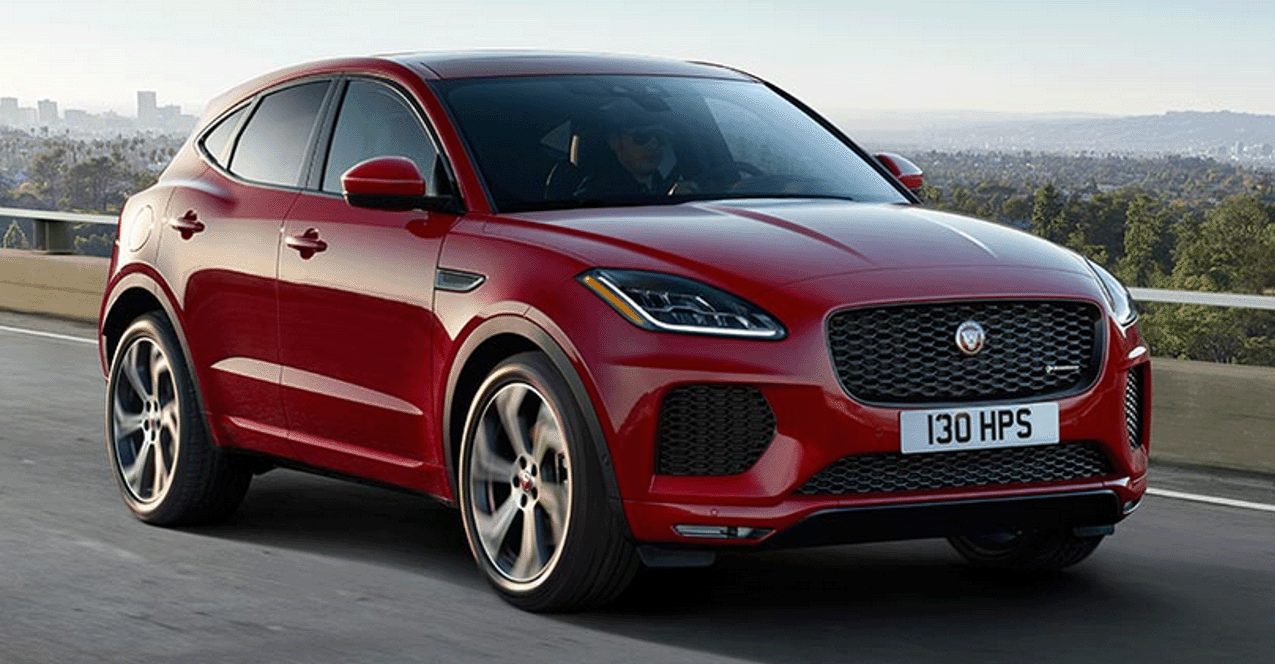
What it is: The E-Pace is Jaguar’s first foray into the compact SUV arena. Jaguar clearly took design cues from the Porsche Macan, which isn’t a bad thing—they’re both well-designed. As with many compact SUVs, the E-Pace is designed to give drivers the added room and utility of an SUV, while maintaining the handling, performance and fuel economy of a sedan.
When you can buy it: It’s on sale now, with a base MSRP of $38,600.
Why it’s cool: Jaguar says it designed the E-Pace to be comfortable, practical, and agile—think F-Type coupé with seating for 5. At just less than $40,000, the E-Pace looks great and is loaded with new-age features. LED headlights are standard, as is an “Infrared Reflective Windshield,” which filters sunlight and UV rays to reduce cabin heat. Jaguar offers the E-Pace with two variations of the same engine, making 246 and 296 horsepower respectively.
Quick specs:
2018 Jaguar I-Pace EV
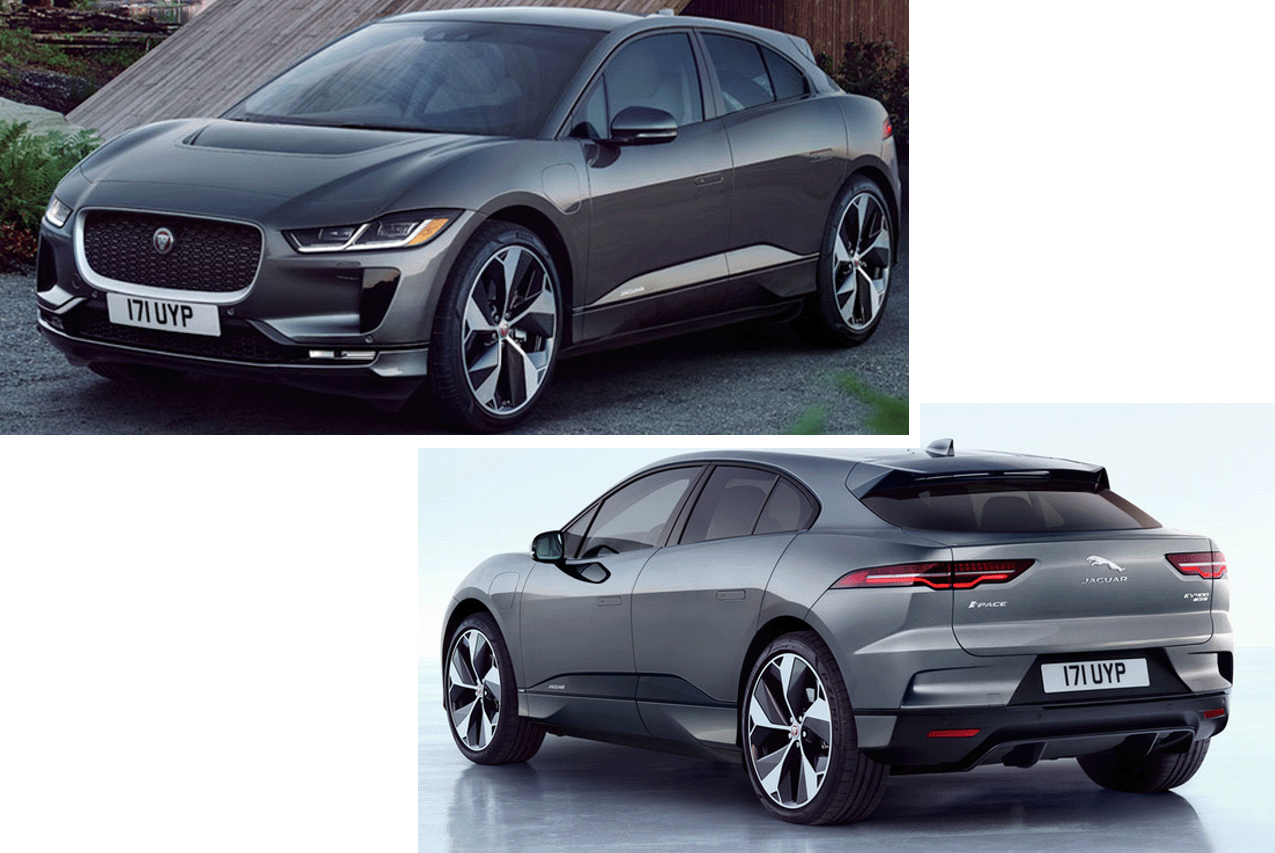
What it is: Plain and simple, it's Jaguar’s first all-electric vehicle. And it’s an SUV, no less. With 400 hp, the I-Pace will be a powerful cat with no roar (or emissions).
When you can buy it: Jaguar lists the I-Pace as a concept car, but says it’ll be available in the second half of 2018.
Why it’s cool: It’s like a Tesla, but much sharper looking. The I-Pace will have seating for 5 and 18 cubic feet of rear cargo space, and it’ll take everything inside that spacious interior from 0 to 60 mph in about 4 seconds. As with all EVs, charge time and range are important. Jaguar says the I-Pace achieves an 80% charge in 90 minutes, and can travel 220 miles per charge—depending on the weight of the driver’s foot, of course.
Quick specs:
2018 Alpha Romeo Stelvio
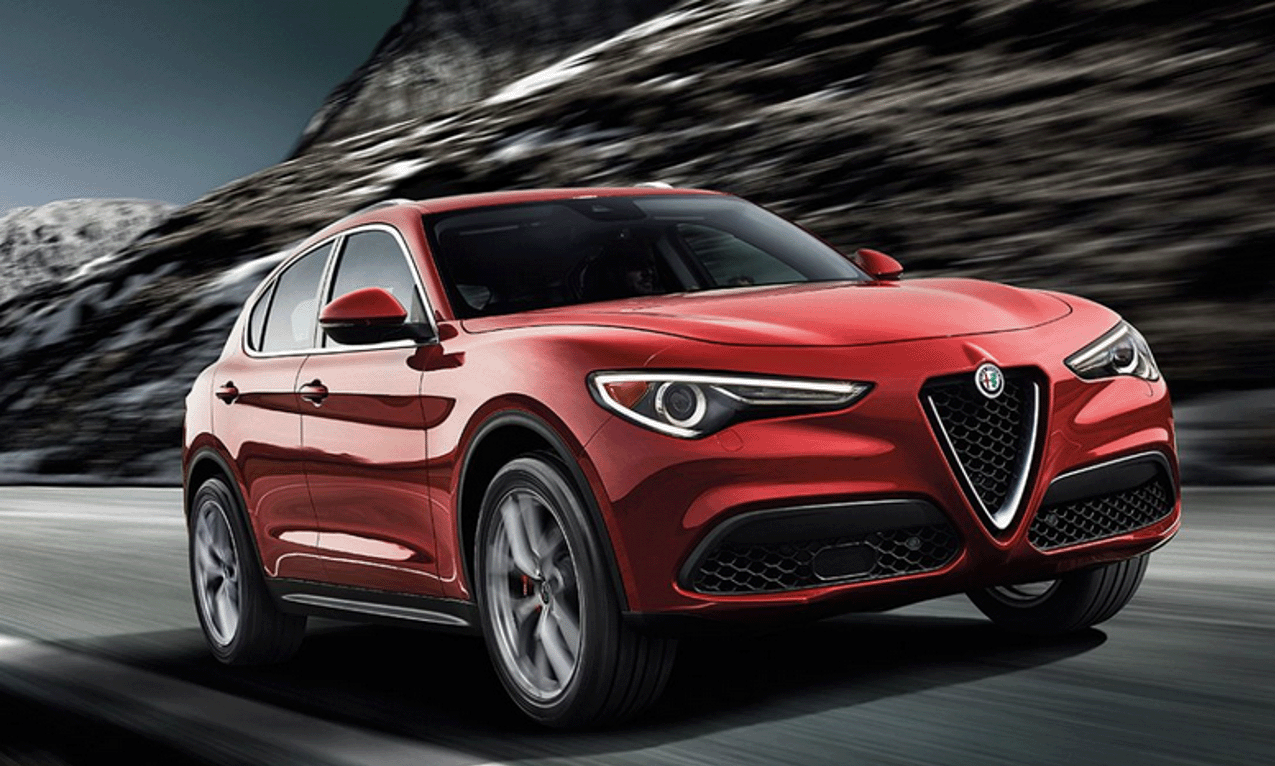
What it is: After a 22-year hiatus, Alfa Romeo returned to the U.S. in 2015 with a plan: Tease us with the 4C sports car, appease us with the white-knuckle Giulia sports sedan, and finally, sell us a crossover—the company’s first-ever SUV. Enter the Stelvio, complete with Alfa Romeo’s signature triangle-shaped grille and a 280-horsepower engine.
When you can buy it: The Stelvio went on sale in late summer 2017 and the base model starts at $41,995.
Why it’s cool: Visually striking, the Stelvio’s curved body flows effortlessly from head to tail, while maintaining an athletic profile. It’s well-equipped on the inside, too. Bi-xenon headlights? Standard. Remote start, parking assist, a 6.5-inch touchscreen display, and an 8-speaker audio system? It’s not cheap, but even in the base model, it’s all standard.
Quick specs:
2018 Land Rover Range Rover Velar
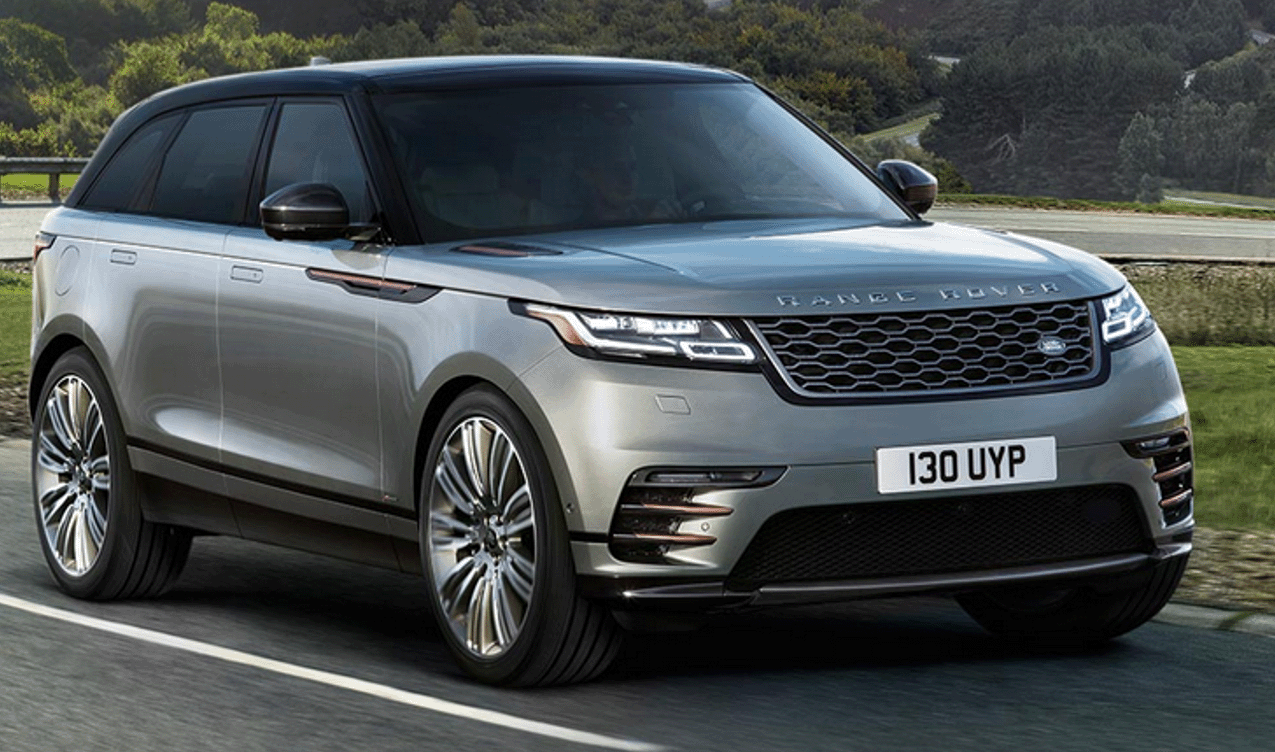
What it is: Land Rover calls it their “most refined and capable medium SUV,” but the Velar is really an entry-level Range Rover—which is pretty cool. If you’ve ever wanted a true Range Rover without the lofty price tag, 2018 might be your time. That said, the Velar is not cheap.
When you can buy it: On sale now, the Velar’s starting MSRP is $49,900. (By comparison, the 2018 Range Rover starts at $87,350.)
Why it’s cool: Where the classic Range Rover has a chiseled, angular body, the Velar is sleek. Accent lights on the front fender vents are a unique touch, and LED headlights are just cool. It lacks some of the novelties of the Range Rover, but that helps it shed cost. Still, the Velar is aimed at outdoorsy types; owners can order a FitBit-sized wristband that acts as the key, so there’s no worrying about losing your keys in exotic places. And with variable terrain drive modes and Land Rover’s famed AWD technology, the Velar should be able to get anywhere.
Quick specs:
2018 BMW 8-Series
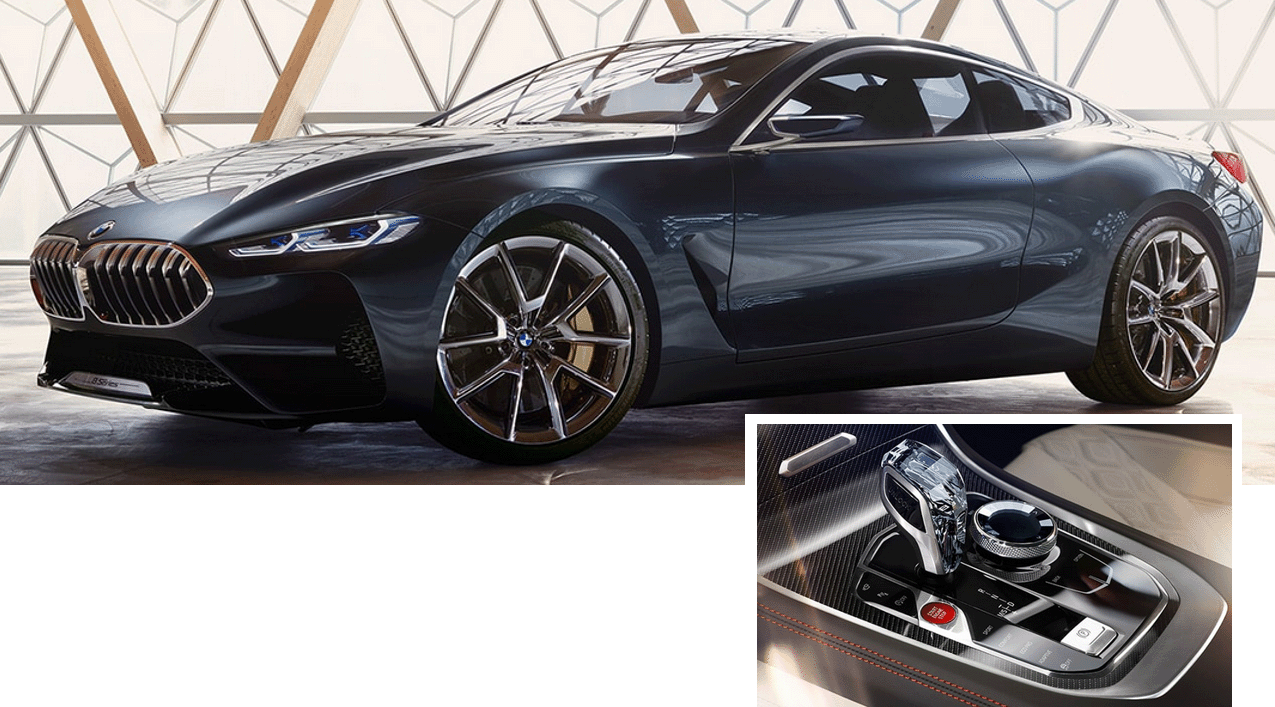
What it is: The original BMW 8-Series was a high-powered (and high-priced) sports coupé, built from 1989-1999. Official details about the revived model are scarce, but from what we can tell, the new 8-Series will fill the same role as its older brother: A luxurious, state-of-the-art German sports car, wrapped in handstitched Merino leather.
When you can buy it: For now, there’s no official release date from BMW—only that it’s due in 2018. If you’re interested, start saving now; it’s expected to launch with a starting MSRP of $80,000.
Why it’s cool: BMW’s promotional slogan for the new 8-Series says it all: “The Legend Lives.” Diehard BMW fans have begged for a new 8-Series for years, a wish that was almost granted by 2014’s i8 coupé. But where the semi-electric i8 is a nod to the future, the 8-Series’ powerful V8 engine makes it an ode to the past. But it is 2018, so BMW threw in some touch-activated door locks, laser headlights, and what looks like a glass shift knob.
Quick specs:
2018 Lexus LC
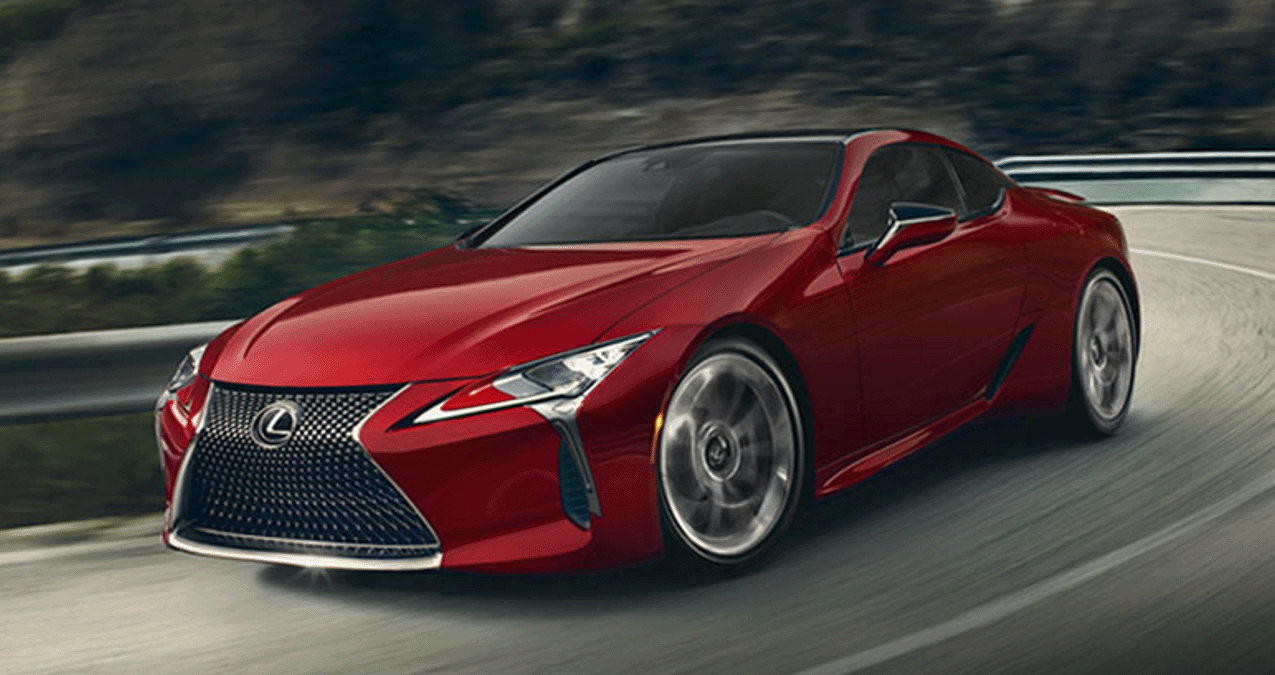
What it is: A luxury sports coupé designed purely for performance, the LC was recently mentioned in the same sentence as the Aston Martin DB11, courtesy of AMCI, a third-party automotive testing company. That’s rarified air, but with incredible styling and an interior that’s more Lamborghini than Lexus, the LC seems to hold its own.
When you can buy it: The 2018 Lexus LC is on sale now, with a base MSRP of $92,000. The LC has a hybrid brother, the LC 500h, which starts at $96,510.
Why it’s cool: In 2013, Lexus integrated hourglass grilles and flowing, triangular lights into all its models. To that end, the LC looks more like a design concept than a production vehicle. The LED taillights, for example, use various shades of red to create a mesmerizing “infinity mirror” effect. The coupé’s high price tag is justified with handstitched (and handpicked) leather, the latest in driver-centric tech, and a massive V8 engine lurking under the hood.
Quick specs:
2018 Subaru BRZ tS
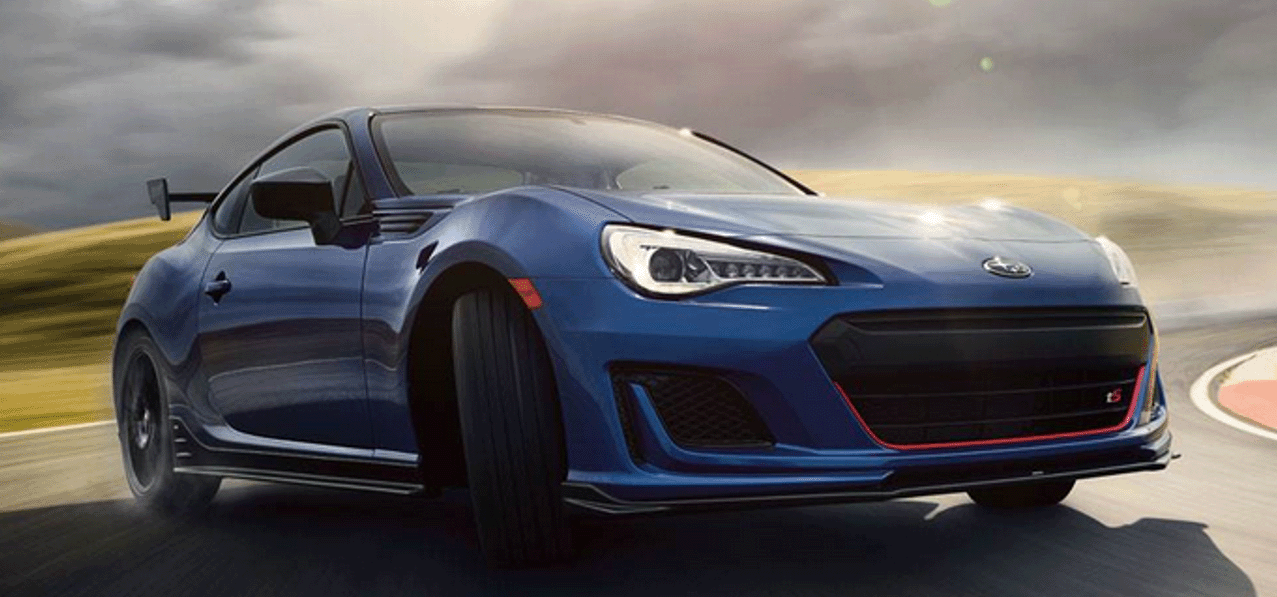
What it is: Back in 2012, Toyota and Subaru co-designed a sports coupé. Each manufacturer designed their own exterior styling, but the underpinnings were the same. Toyota called their version the FR-S, selling it under its now-defunct Scion brand. Subaru's version—the BRZ—lives on, however, and is now joined by a high-performance cousin: the BRZ tS.
When you can buy it: According to Subaru, production will be limited to just 500 units, which will go on sale at some point in 2018. Pricing has not been disclosed as of this writing.
Why it’s cool: IThe BRZ tS is essentially a track-ready version of the BRZ. With a massive carbon fiber wing bolted to the trunk and what Subaru calles "an advanced suspension system", it's designed for racing, not running errands. As the racer will be see only a limited production run, we know nothing about the technical specs—only that it'll be very exclusive.
Quick specs: